

The Child Care and Development Fund is a roughly $12 billion federal program that currently helps about 870,000 families cover childcare costs for approximately 1.3 million children up to age 13. The average benefit runs about $9,000 per child annually. And right now, about 80% of that money goes to single-parent households paying institutional daycare providers.
The Trump administration wants to add a new option: give the money to families directly.
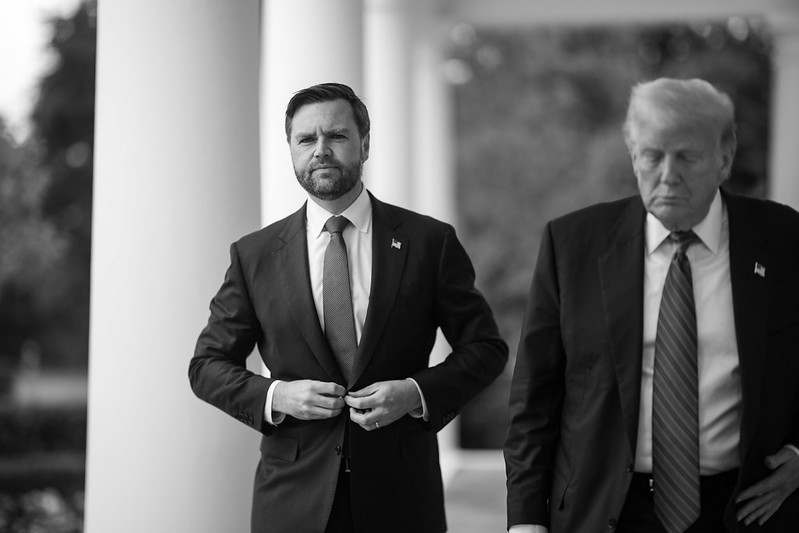
Vice President JD Vance is leading a new initiative, reported by Trending Politics News, to create a "parent-based childcare" category within the existing program. The proposal would allow married couples — where one spouse works at least 35 hours per week and the other stays home with the kids — to receive the same federal childcare dollars that currently flow almost exclusively to daycare centers and institutional providers. No new legislation required. The whole thing can be done through federal regulation, potentially taking effect as early as next year.
The logic is almost offensively simple. If the federal government is already spending $12 billion to help families with childcare, why does every dollar have to flow through a licensed facility? A parent who stays home to raise their own children is providing childcare. The current system just refuses to recognize it because the parent didn't register as a business first.
Vance has been making this argument for years. Back in 2021, he said "young children are clearly happier and healthier when they spend the day at home with a parent" and that "normal Americans" want a "family policy that doesn't shunt their kids into crap daycare." Now he's in a position to actually do something about it.
Roger Severino of the Heritage Foundation put the regulatory angle plainly: "You don't need statutes to do it, and with existing programs we can end discrimination against stay-at-home parents." That word — discrimination — is doing real work in that sentence. The current structure of the Child Care and Development Fund, created in the 1990s, effectively penalizes families who choose to have a parent at home. You can get $9,000 a year to send your kid to a facility, but if your spouse quits work to raise them personally, the government says that's your problem.
The eligibility threshold is 85% of state median income, which keeps the program targeted at working families who actually need the help rather than subsidizing choices for households that don't. The proposed rule would require the working spouse to hit 35 hours per week minimum. Unmarried couples and non-working single parents wouldn't qualify for the new category — the existing program structure still covers those situations through traditional daycare assistance.
The usual crowd will frame this as some kind of attack on working mothers or an attempt to push women back into the kitchen. Which is a strange way to describe giving families more options for how to spend money the government already allocated for their children. Nobody's taking daycare funding away. The proposal adds a category. Parents who want institutional care can still get it. Parents who'd rather have one spouse at home now get the same financial recognition.
This is what happens when the guy who actually talks about families in concrete, practical terms — not as an abstraction in a policy paper — gets to run family policy. Vance didn't propose a new $50 billion program or a blue-ribbon commission. He looked at a $12 billion pot of money that already exists, noticed it was structured to exclude an entire category of parents, and proposed fixing it with a regulatory change.
A $12 billion program. 870,000 families. And until now, the one childcare option the government wouldn't fund was a parent raising their own kid.