
In 2016 and 2017, the Chinese Communist Party offered every resident of Xinjiang a free checkup.
Millions lined up. Along with the blood pressure readings, the government collected DNA samples, iris scans and blood types from nearly everyone between 12 and 65.
The checkup was free. The price came later. Collecting a region's DNA is the easy part. Turning it into a system that tracks a whole ethnic group takes some of the most advanced genetic science in the world.
China happens to have that. On October 28, the Department of Homeland Security named three of the companies behind it.
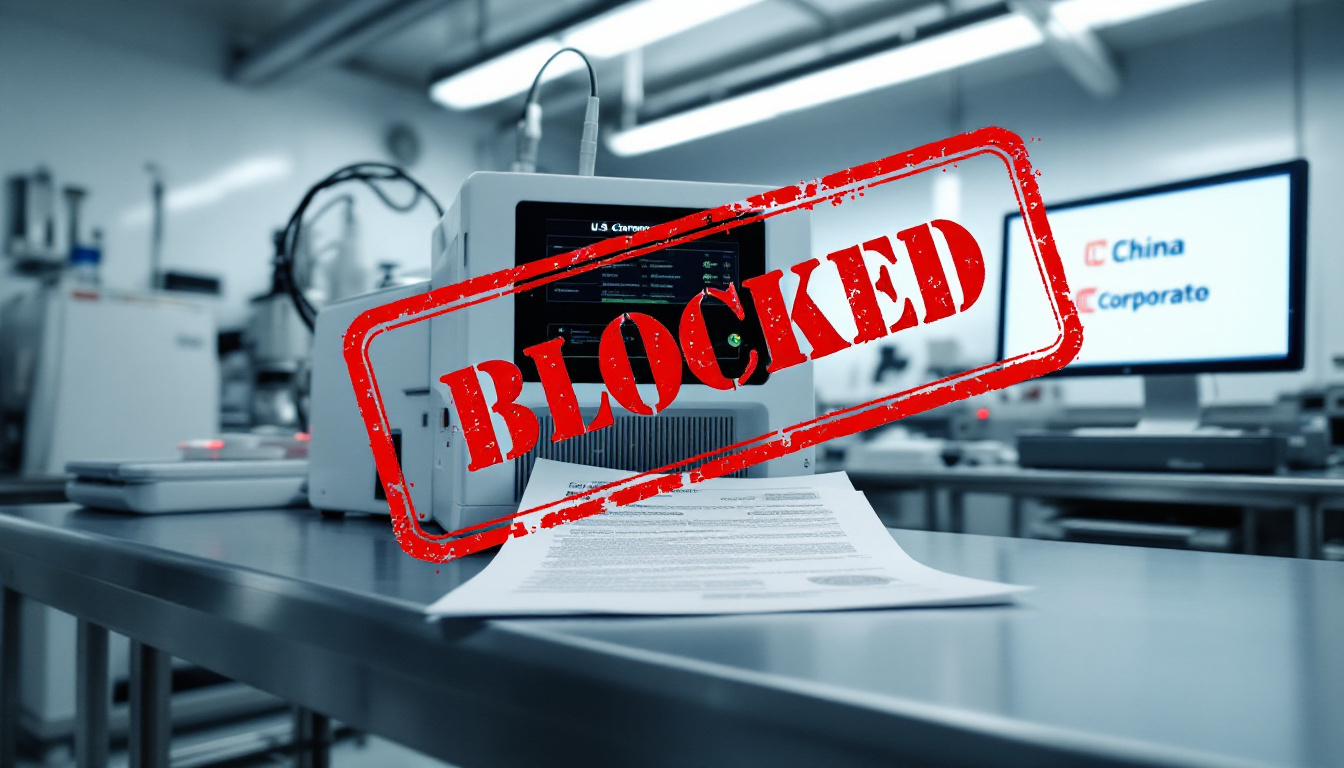
BGI Group, BGI Genomics and MGI Tech, which DHS calls "among the largest advanced gene-sequencing and genetic-material collection enterprises in the world," are now on the federal forced-labor list. As of October 29, their goods can't enter the United States.
DHS investigators found the companies help the Xinjiang government build and run a mass surveillance system that uses genetic data to monitor ethnic minorities. BGI Group sourced human genetic material from Xinjiang, where the CCP runs forced-labor transfer programs. BGI Genomics sourced plant, animal and bacterial disease material from the same region. For these companies, Xinjiang is part of the business model.
"We are not going to let companies tied to forced labor and the surveillance of persecuted minorities profit," DHS Secretary Markwayne Mullin said. His department added that it "will be watching for anyone attempting to circumvent today's action."
The tool is the Uyghur Forced Labor Prevention Act. Once a company lands on the list, the law presumes its goods were made with forced labor, and any importer has to prove otherwise. Good luck with that one. The Pentagon already lists BGI Genomics as a Chinese military company.
That military link isn't new either. BGI's prenatal test, sold to millions of pregnant women in more than 50 countries, was developed in collaboration with the People's Liberation Army.
BGI's response: it "does not have access to Americans' genetic data." In 2020, BGI offered to build COVID testing labs for American states, and U.S. counterintelligence officials went public with a warning to say no. You can change a stolen password. You can't change your DNA.
Trump has been on BGI's trail before. In July 2020, his Commerce Department blacklisted two BGI subsidiaries for "conducting genetic analyses used to further the repression of Muslim minority groups."
Then the Biden administration took over, and Congress handed it the forced-labor law in late 2021. The House China Committee kept sounding the alarm about BGI with hearings, reports and letters. Biden's DHS had three full years to act.
BGI Group never made the list. BGI Genomics never made the list. MGI Tech never made the list.
Trump's DHS took the law already on the books, gave it to Customs and Border Protection, and closed the door. The list now stands at 190 entities, 43 of them added in a single round on July 31. Rep. John Moolenaar, who chairs the House China Committee, flagged the announcement on X. DHS summed it up in one line: "Under President Trump, DHS blocks Chinese genomics companies linked to forced labor in Xinjiang."
Beijing says its Xinjiang policies are about fighting terrorism and keeping stability. The Uyghurs whose DNA sits in a government database would probably describe it differently.
On November 18, Trump lands in Shenzhen for the APEC summit and his meeting with Xi Jinping.
Shenzhen is BGI's hometown. The ban will be three weeks old by the time he arrives.