
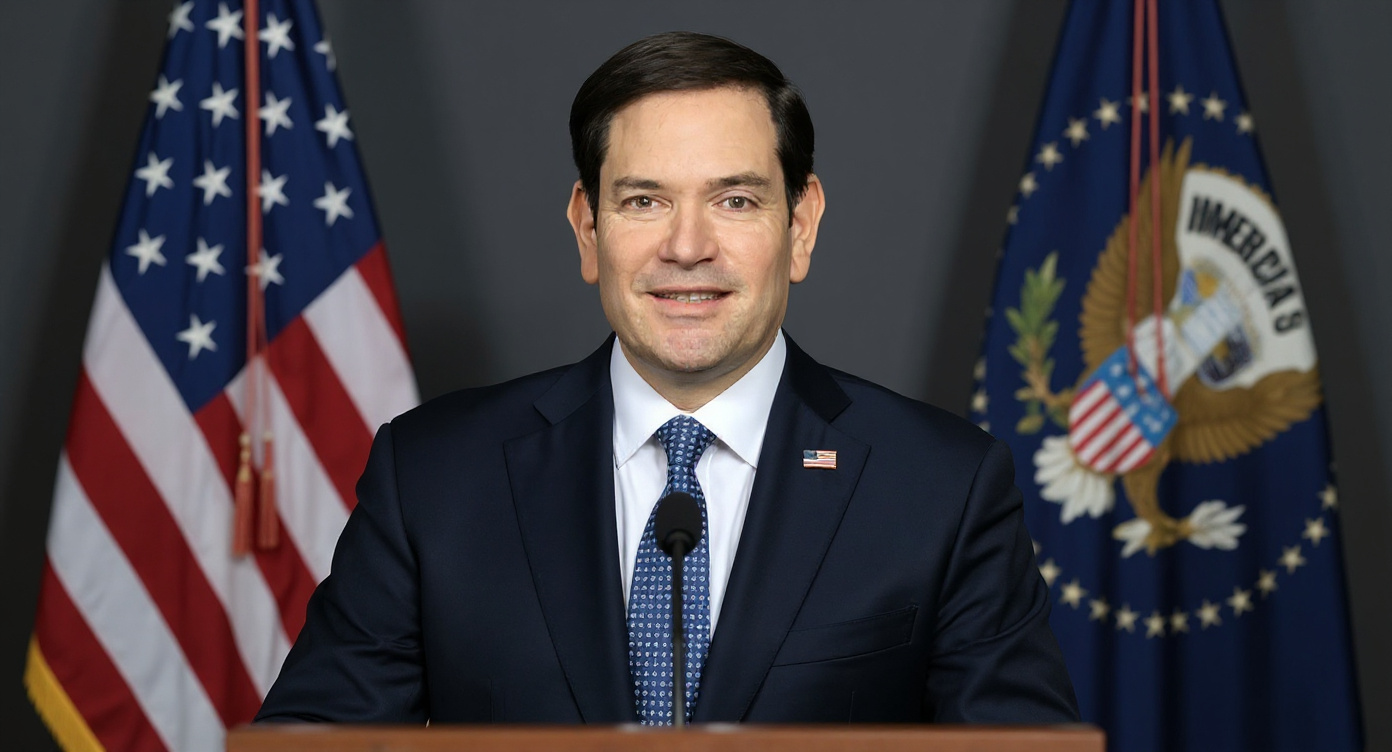
Secretary of State Marco Rubio went on Sean Hannity's show and said three words that six decades of American foreign policy couldn't produce: "Cuba has fallen."
Not "Cuba is struggling." Not "Cuba faces challenges." Fallen.
Cuban officials, who sold a revolution to the world, Rubio said, has failed — the economic model is exhausted, the regime can no longer wait around for a friendlier American administration to bail them out, and the regional lifeline that kept the whole thing afloat is drying up.
That lifeline has a name: Venezuela. For years, Caracas propped up Havana with subsidized oil and cash. But Venezuela's own collapse — accelerated under the weight of its own socialist experiment — has gutted its capacity to keep Cuba's lights on. The patron state can barely patronize itself.
So the Cuban regime sits where every communist government eventually sits: alone, broke, and out of friends willing to cover the tab. Rubio, the son of Cuban immigrants who fled exactly this kind of regime, didn't just diagnose the situation. He warned the communist government directly that its time is running out under President Trump's administration.
This is the part where a certain kind of American academic starts shuffling papers. For decades, a reliable contingent of professors, journalists, and Washington think-tankers treated Cuba like a complicated case study rather than what it actually was — a police state that imprisoned dissidents, crushed free speech, and ran its economy into the ground while blaming the embargo for everything. "It's more nuanced than you think" was the line. "Their healthcare system" was the talking point. The nuance crowd built entire careers on the premise that the Castro regime was flawed but fundamentally stable.
Rubio just told the world it isn't.
The State Department's formal remarks make clear this isn't one official freelancing on cable news. This is administration policy. The Trump White House sees a regime that has exhausted every option — Soviet subsidies ended in 1991, Venezuelan oil is unreliable, and no amount of Canadian tourism revenue is going to rebuild an economy that was designed to fail from the start.
What makes Rubio's statement land differently than the usual Washington tough talk is who's saying it. This isn't a think-tank fellow writing a policy brief. This is a man whose parents left Cuba because of the regime he's now telling the world has collapsed. The personal and the political don't usually line up this cleanly in American diplomacy.
Sixty-five years. That's how long the Castro revolution lasted in one form or another — through the Bay of Pigs, the Missile Crisis, the Soviet collapse, the Obama thaw, and the pandemic. It survived because it always had a sponsor and because Washington never quite decided whether to squeeze or engage.
This administration decided. Rubio delivered the message. The regime's economic model is dead, its foreign backers are broke, and the Secretary of State is the son of the people it chased out.