

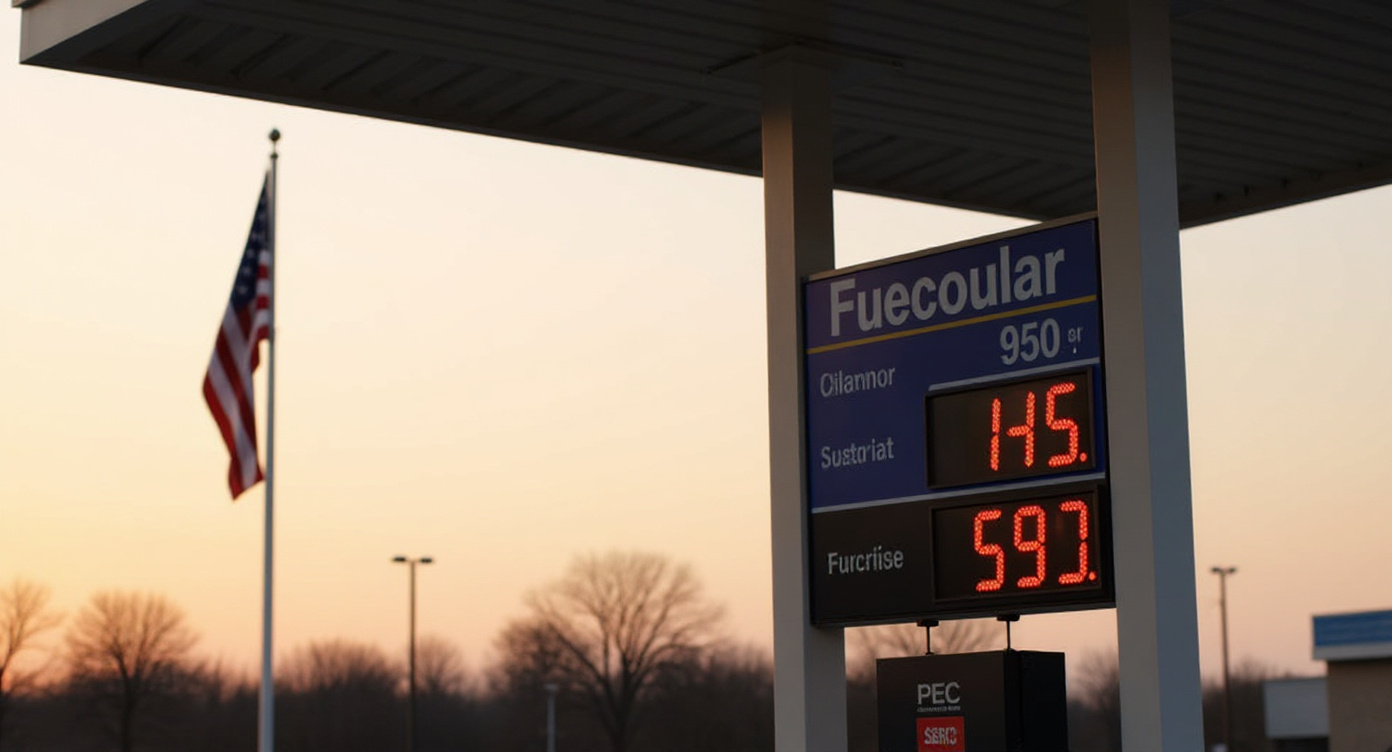
The national average for a gallon of regular gasoline hit $4.10 this week, according to AAA. August 2026 is on track to be the most expensive month for gas prices on record.
So the EPA did something radical. It stopped making the problem worse.
On August 20, EPA Administrator Lee Zeldin announced a temporary emergency fuel waiver under the Clean Air Act that allows the nationwide sale of winter-grade gasoline starting September 1 — two full weeks before the summer control season was scheduled to end on September 15. The move lets retailers sell E10 gasoline, blended with 10 percent ethanol, at a higher Reid Vapor Pressure, which effectively increases domestic fuel supply by hundreds of thousands of barrels per day.
That's not a typo. Hundreds of thousands of barrels. Per day. Sitting on the sidelines because of a seasonal regulation.
"President Trump has prioritized ensuring American families have affordable gasoline and energy," Zeldin said. "Throughout this administration, EPA has taken decisive action like issuing RVP waivers to provide relief at the pump and fortify our gasoline supply chain. Today, we continue this work with our federal partners to increase supply and lower gas prices for all Americans."
DOE Secretary Chris Wright backed the move. "Increasing the supply of gasoline means lower prices for American families," Wright said. "Today's action is another example of this Administration using every available tool to cut red tape, increase the supply of gasoline, and lower prices at the pump."
For anyone who's been filling up a truck this summer and watching the numbers climb past sixty, seventy, eighty dollars, the mechanism here is worth understanding. Every year, from roughly May 1 through September 15, the EPA requires gas stations to sell a special summer-blend gasoline with a lower vapor pressure. The idea is that summer heat causes fuel to evaporate more easily, contributing to smog. The summer blend reduces evaporation. It also costs more to produce. Which means you pay more at the pump.
The waiver doesn't just apply nationally. It extends state-level controls in Texas, Arizona, California, and New York for up to 20 days beyond September 15, giving refiners and retailers in those states additional flexibility to keep cheaper fuel flowing into October.
This isn't the first time the Trump EPA has pulled this lever. Zeldin issued a similar RVP waiver back in May at the start of the summer season. The pattern is consistent — identify a regulation that's driving up consumer costs, and use existing legal authority to suspend it. No new legislation. No congressional gridlock. Just an administrator picking up the phone and saying, "Stop doing the expensive thing."
Environmental groups are predictably unhappy. They argue that winter-grade fuel with higher vapor pressure worsens ozone pollution during warm months. Which is an interesting hill to die on when families are choosing between a full tank and a full grocery cart. The waiver runs for two weeks in September. We're not talking about year-round deregulation — we're talking about fourteen days of cheaper gas while temperatures are already dropping.
The broader context matters. For four years under the previous administration, the answer to high gas prices was "buy an electric vehicle." That was the policy. That was the talking point. Gas too expensive? Should've bought a Tesla. Can't afford a Tesla? Maybe try the bus.
The Trump approach is simpler: if a regulation is making gas more expensive and you can legally waive it, waive it. Hundreds of thousands of additional barrels per day hit the market. Prices come down. Families notice.
The waiver takes effect September 1. You probably won't see a press conference about it. You'll just see the number on the pump drop a few cents.
Funny how "use every available tool to lower prices" used to be what we expected the government to do. Now it's breaking news.