

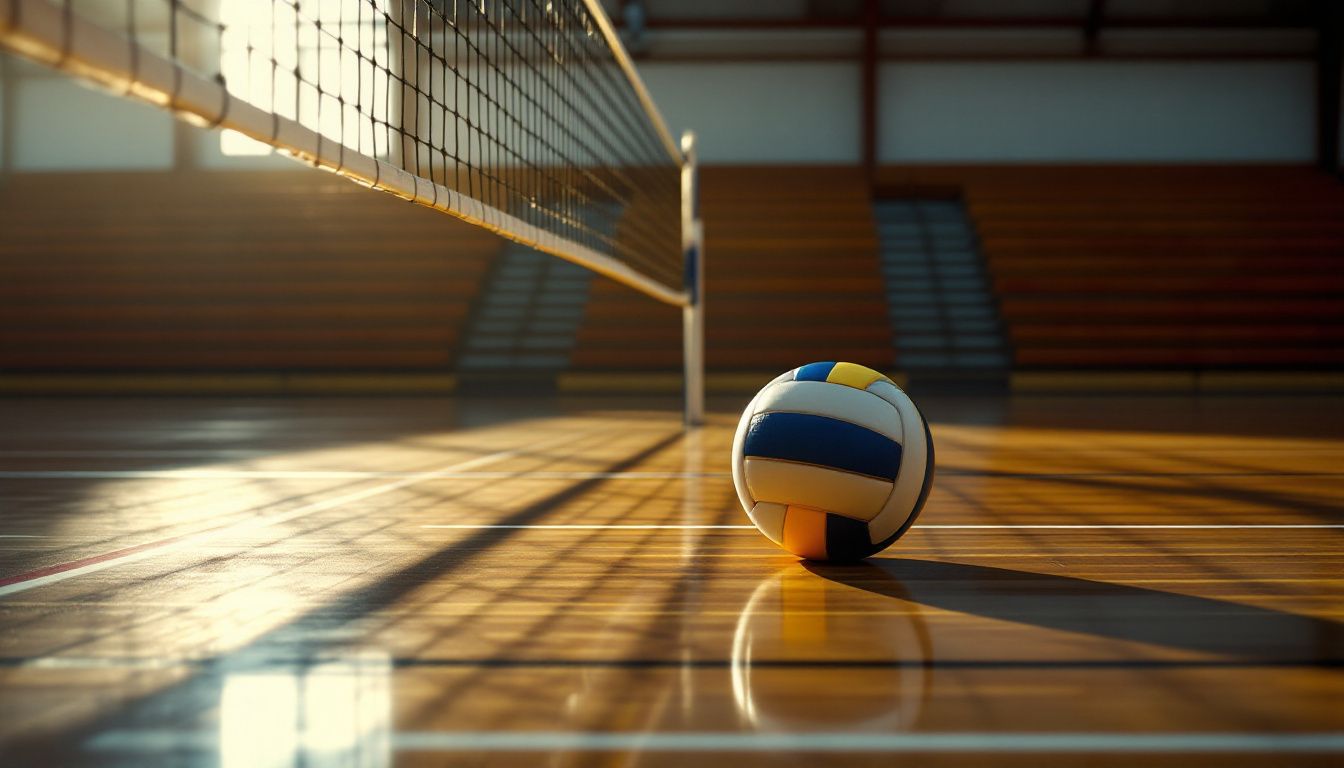
Payton McNabb was seventeen years old and playing high school volleyball in North Carolina when a biological male on the opposing girls' team spiked a ball into her face so hard it gave her a concussion, a brain bleed, and partial paralysis on her right side. Three years later, she still has vision problems and balance issues.
She just went on national television to thank an Indiana Fever guard for saying out loud what got McNabb's skull cracked in the first place.
Sophie Cunningham, the WNBA player who has now eclipsed Caitlin Clark as the most searched women's athlete in America, told ESPN on July 21 that she believes in "protecting young girls in sport and women in sport" and that biological males shouldn't compete against them. "I said what I said," Cunningham told reporters. "I think it's kind of common sense. And I think I'll always believe in that."
Common sense. That's the offense. A professional women's basketball player said it's common sense that men shouldn't play women's sports, and the entire progressive establishment lost its collective mind.
Three separate rallies erupted around WNBA games. Minnesota Lynx coach Cheryl Reeve wore a "Trans kids belong" shirt on the sideline during a game against the Fever. Someone threw a sex toy onto the court — twice, at two different games — prompting Cunningham to post, "Stop throwing dildos on the court… you're going to hurt one of us." DiJonai Carrington of the Chicago Sky got ejected for clotheslining Cunningham, then posted about "white privilege." Fans who showed up wearing pro-Cunningham gear were harassed to tears.
All of this because a woman said women's sports are for women.
McNabb, now a sports ambassador for Independent Women, told The National News Desk that Cunningham's stand matters precisely because she has something to lose. "She didn't wait until it was easier, until it was safe to speak out," McNabb said. "Her career is taking off right now, and she still used her platform to stand up for women and girls."
McNabb knows what it costs to stay quiet. She was a three-sport high school athlete training for a collegiate softball career when a single spike from a male player ended everything. "I got to learn exactly that day why men's volleyball nets are seven inches higher than women's," she said. "These accommodations were put in place for a reason because there is a biological difference between a man and a woman."
Seven inches. That's the difference the NCAA, the IOC, and every governing body in sports has acknowledged for decades with separate net heights, separate divisions, separate record books. McNabb learned it at the speed of a volleyball to the face. "Everything that happened to me was 100% avoidable," she said. "The adults failed us completely."
Former soccer star Megan Rapinoe once waved the entire controversy away by asking, "We don't want our little girls to be unsafe in sports. And it's like, 'Unsafe from who?'" Payton McNabb can answer that question. She answered it with a brain bleed at age seventeen.
Cunningham, for her part, has refused to back down. "I got a lot of negative feedback about me hating trans," she said. "And I'm like, 'I never once said that.' I think that I am here to extend love." She added that "with that love is truth, being honest." The WNBA's own 2026 collective bargaining agreement, signed in March, states that "only players who are women are eligible to play in the WNBA." The league's own rule book says what Cunningham said. She just said it where people could hear her.
President Trump has signed an executive order restricting women's sports participation based on biological sex, but McNabb noted that executive orders aren't permanent. "It's definitely a step in the right direction, but it's not permanent," she said, pushing for legislative protections that survive beyond any single administration.
The WNBA held a meeting about transgender athlete eligibility. No proposed changes came out of it. The league issued a statement saying it would "approach these important conversations thoughtfully and in alignment with the values of our league." Which is corporate for: we'll wait and see who yells louder.