

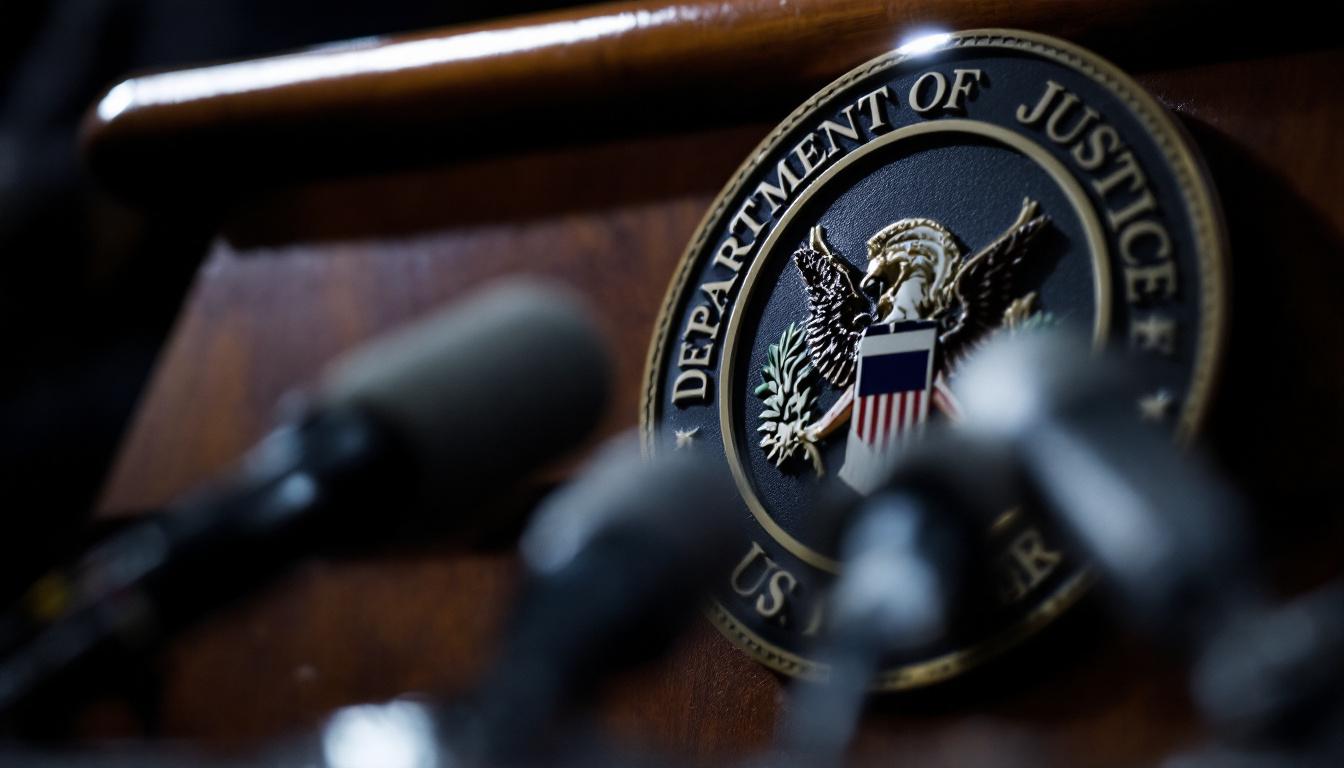
Acting Attorney General Todd Blanche just put every newsroom in America on notice: if you're sitting on classified information that some "brave whistleblower" slipped you over cocktails, the Department of Justice is coming for it. And no, your Pulitzer nomination is not a get-out-of-jail-free card.
Cue the media meltdown in three… two… one.
Blanche didn't mince words. He said journalists and media organizations "should not be surprised if they receive a subpoena" as part of DOJ's aggressive new push to crack down on classified leaks. "Prosecuting leakers who share our nation's secrets with reporters… is a priority," Blanche declared, making it crystal clear that the days of casually publishing Pentagon war plans and calling it journalism are over.
Now, before the usual suspects start screaming about the death of the free press — and they will, because that's the only play in their book — let's be clear about what's actually happening here. The DOJ isn't raiding newsrooms. They're not arresting Anderson Cooper. They're going after the government officials who are illegally handing classified intelligence to reporters like it's a party favor.
President Trump himself spelled it out with his usual subtlety. "We're going to go to the media company that released it, and we're going to say, 'National security; give it up or go to jail,'" Trump said. He even scrawled "treason" on leaked articles that crossed his desk. And honestly? When someone leaks details about U.S. military operations against Iran to the Wall Street Journal, "treason" isn't exactly a stretch.
[ad]
Here's what makes this so delicious. For years — years — the media treated classified leaks like a constitutional sacrament. Some disgruntled bureaucrat at the Pentagon or FBI would hand over documents exposing national security operations, and the Washington Post would slap it on the front page and nominate themselves for awards. The leaker was a "hero." The reporter was "brave." And the rest of us were supposed to just shut up and clap.
Blanche made one thing abundantly clear: "Any witness, whether a reporter or otherwise, who has information about these criminals should not be surprised if they receive a subpoena." Notice the word he used. Criminals. Not sources. Not whistleblowers. Criminals.
And before the left tries to twist this into some kind of authoritarian crackdown on journalism, FBI Director Kash Patel has already cut that argument off at the knees. Patel has been explicit that the FBI is "targeting no journalists" — they're going after the leakers themselves. The people inside the government who swore an oath and then broke it because they didn't like the guy who won the election.
That's a distinction the media will absolutely refuse to make, because making it would require them to admit that their precious "sources" are actually felons.
The real question is why this took so long. We had years of leaked classified briefings, leaked transcripts of presidential phone calls, leaked military planning documents — and the consequences were exactly zero. The leakers got book deals. The reporters got Emmys. And the intelligence community got compromised.
Not anymore. The DOJ under Blanche is treating this like what it actually is: a national security threat. Not a journalism issue. Not a First Amendment debate. A crime.
So here's a free tip for every newsroom in America: the next time some "anonymous senior official" slides into your DMs with top-secret documents, maybe call a lawyer before you call your editor. Because Todd Blanche isn't asking nicely — he's serving subpoenas. And President Trump is writing "treason" in the margins.
Welcome to accountability. It's been a while.