

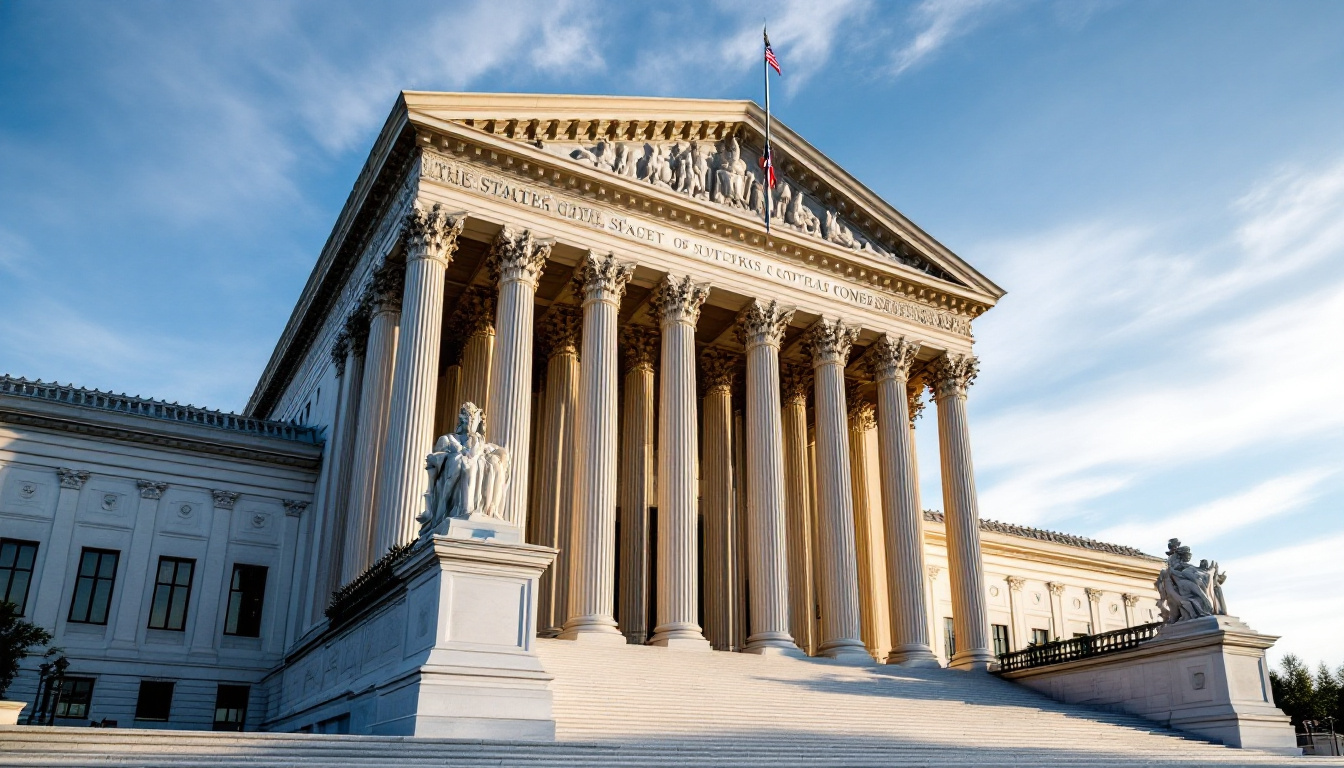
The Supreme Court just struck down a federal firearms ban unanimously. Not 6-3 along ideological lines. Not 5-4 with a swing vote. Nine to zero. Every justice — from Clarence Thomas to Sonia Sotomayor — agreed the government went too far.
When you lose 9-0 at the Supreme Court, your legal argument wasn't just weak. It was indefensible.
The case, United States v. Hemani, involved a Texas man who admitted to regular marijuana use and was prosecuted under a provision of the Gun Control Act of 1968. That provision made it a federal crime for any "unlawful user or addicted to" a controlled substance to possess a firearm — regardless of whether the person was intoxicated at the time, regardless of whether they had any history of violence, regardless of whether they posed any demonstrated danger to anyone.
Justice Neil Gorsuch, writing for the unanimous court, dismantled the government's position. The government, Gorsuch wrote, "never showed a real historical tradition of disarming ordinary, nonviolent marijuana users who are not intoxicated when they have a gun." The Court applied the historical tradition test established in New York State Rifle and Pistol Association v. Bruen in 2022, which requires gun regulations to be consistent with the nation's historical tradition of firearms regulation.
The government couldn't meet that standard. Not even close, apparently, given the vote count.
To be clear about what the ruling does and doesn't do: the statute stays on the books, but it's been sharply narrowed. Prosecutors can still go after people who are armed while actually intoxicated or demonstrably dangerous. What they can no longer do is strip someone's Second Amendment rights based solely on their status as a user of a controlled substance.
That distinction matters. The old interpretation meant that anyone who used marijuana — including in states where it's perfectly legal under state law — automatically lost their constitutional right to own a firearm. Not because they did anything violent. Not because they were impaired. Because of a status designation in a 1968 law written decades before any state legalized recreational marijuana.
Both the American Civil Liberties Union and the Liberty Justice Center filed amicus briefs in the case, landing on the same side. When the ACLU and a libertarian legal organization are making the same argument, and the Trump administration's legal team is on the other side, you're looking at a case where the constitutional principle was obvious enough to cut across every ideological line in American law.
The Bruen framework continues to reshape how courts evaluate gun regulations. The 2022 decision established that the Second Amendment protects conduct only if it's consistent with historical firearms regulation — and the burden is on the government to prove that history supports its restriction. In Hemani, the government swung and missed on that burden so badly that not a single justice was willing to give them the benefit of the doubt.
The broader pattern here is worth noting. Federal firearms law is full of provisions written in an era when constitutional scrutiny of gun regulations was essentially nonexistent. Bruen changed that. Hemani confirms that the Court means it — and that the historical tradition test has teeth, even when the case involves a defendant who isn't particularly sympathetic on the surface.
Nine justices looked at a federal gun ban, applied the Constitution, and agreed it couldn't stand. The government's own lawyers couldn't find a historical precedent to justify it.
Some laws survive because they're constitutional. Some survive because nobody challenges them. This one finally got challenged.