

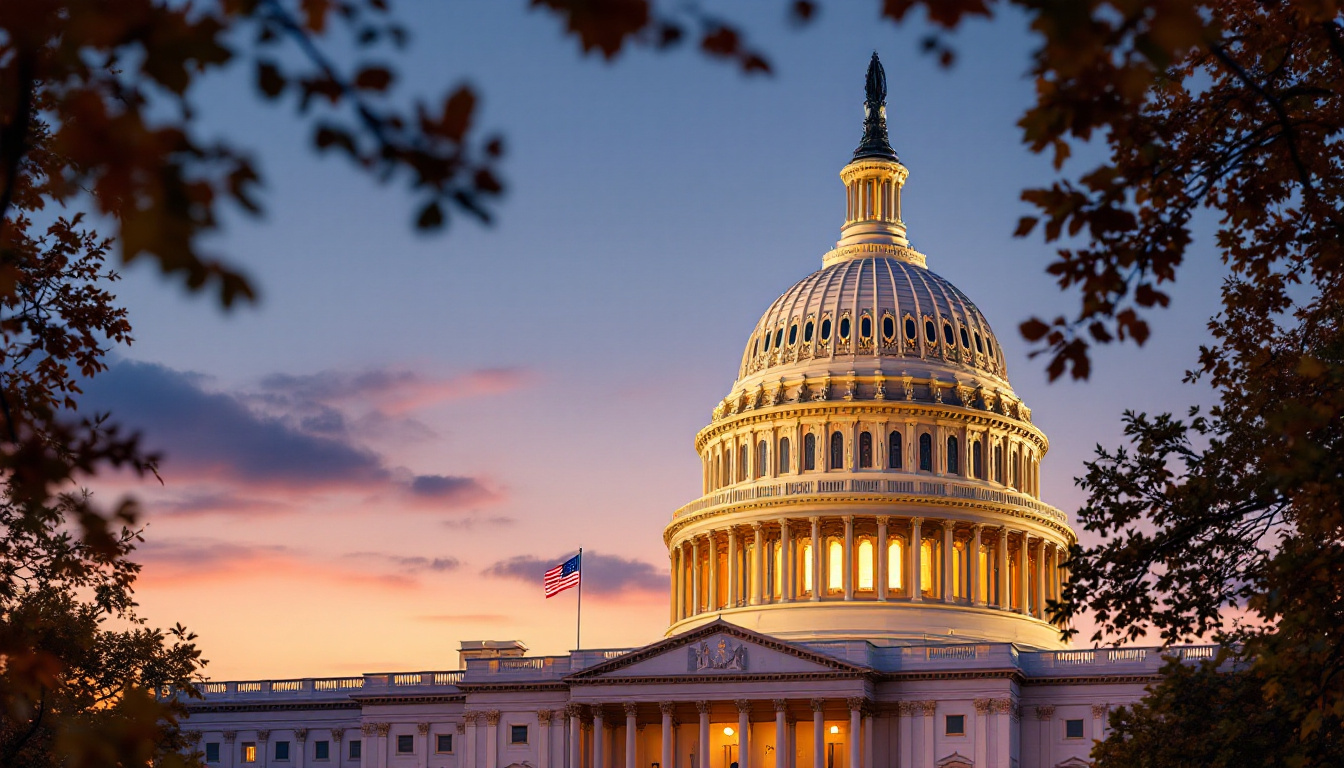
The Senate voted 73-25 Monday evening to advance a nearly 500-page bill that would overhaul the federal permitting process for energy and infrastructure projects. Seventy-three votes. In this Senate. For cutting red tape.
That's not a typo.
The Bipartisan American Affordability and Jobs Act — shepherded by Sen. Mike Lee, the Utah Republican who chairs the Energy and Natural Resources Committee, and Sen. Shelly Moore Capito, the West Virginia Republican who chairs Environment and Public Works — clears the path for faster approval of highways, pipelines, power lines, and energy projects that have been strangled by federal environmental review for decades. The cloture vote limits debate and moves the bill toward final passage, which means the actual adults in the room managed to do what Washington almost never does: agree that building things in America shouldn't require a decade of paperwork.
The bill reforms the federal environmental review and permitting process itself — the bureaucratic labyrinth that turns a pipeline approval into a multi-year odyssey through agency after agency, each with its own stack of reports nobody reads. If you've ever wondered why China can build a highway in months while we spend years arguing about the environmental impact of a power line, this is the bottleneck they're finally unclogging.
What makes the 73-25 margin remarkable is who crossed over. Sens. Sheldon Whitehouse of Rhode Island and Martin Heinrich of New Mexico — both Democrats, both with environmental credentials their base actually cares about — voted to advance the bill. That's not a Republican steamroll. That's Democrats quietly admitting the permitting system is broken and hoping nobody clips it for a campaign ad.
The Washington Examiner's Callie Patteson reported the vote Monday evening. The margin tells you everything about where the political wind is blowing on energy. When nearly three-quarters of the Senate agrees that the federal government's own approval process is the problem, the argument isn't about whether deregulation is needed. It's about how anyone defended the status quo this long.
For context, this is the kind of bill that dies in committee during a normal Congress. Environmental groups lobby against it. Agency heads write letters about the importance of "thorough review." Somebody leaks a story about an endangered beetle near a proposed pipeline route. The bill gets tabled. Everyone moves on. That playbook failed here because the math changed — energy costs are a kitchen-table issue now, and senators who voted against cheaper energy in an election year would be handing their opponents a television ad that writes itself.
The cloture vote doesn't mean the bill is law. It still needs a final Senate vote and a trip through the House. But 73-25 is the kind of margin that makes the procedural fights irrelevant. You don't filibuster something that got 73 votes.
Nearly 500 pages of reformed permitting rules, advanced by a supermajority that includes Democrats who built careers on environmental regulation. The bill's name includes the word "affordability." Two years ago, that word wasn't in the energy vocabulary on Capitol Hill.