
Imran Ahmed runs a British outfit called the Centre for Countering Digital Hate. His organization's job, as described by the U.S. State Department, is pressuring American tech platforms to suppress American speech. As of this week, Ahmed can no longer enter the United States.
Neither can four of his colleagues across Europe's censorship industry.
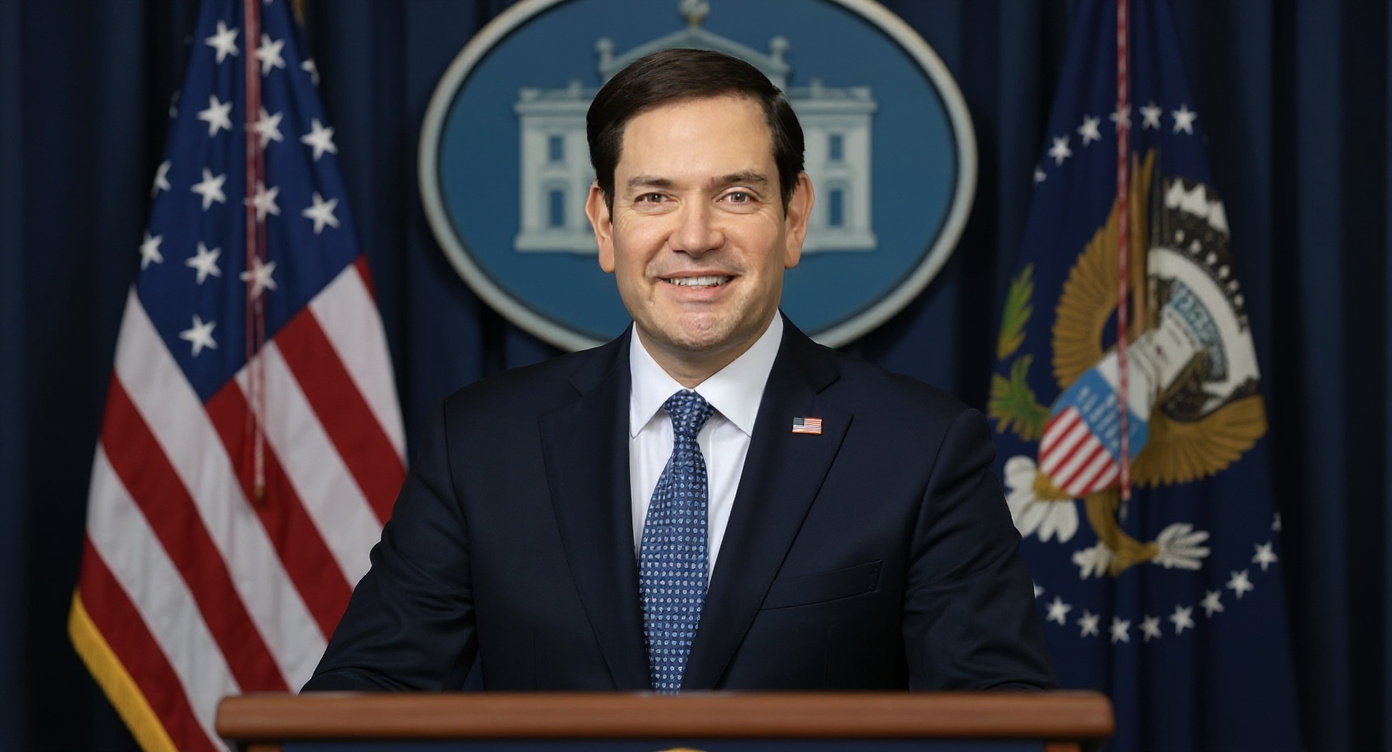
Secretary of State Marco Rubio imposed visa restrictions on five European officials and NGO representatives under Section 212(a)(3)(C) of the Immigration and Nationality Act — the first enforcement of a policy announced back in May targeting foreign actors who work to censor Americans. The five include Ahmed, Josephine Ballon and Anna-Lena von Hodenberg — both co-CEOs of the German organization HateAid — and Clare Melford, Executive Director of the Global Disinformation Index. A fifth individual tied to EU enforcement efforts rounds out the list.
Under Secretary of State Sarah Rogers characterized the targets as participants in "foreign government censorship campaigns" aimed at American citizens. That's the State Department's language, not ours — though we'd have phrased it less diplomatically.
Rubio himself was blunt. "For far too long, ideologues in Europe have worked together to force American platforms to punish American views they don't like," he said.
The mechanism is straightforward. The EU's Digital Services Act, adopted by all 27 member states back in 2022, created a legal framework for regulating online content across platforms that serve European users. The problem is that platforms like Facebook, X, and YouTube serve everyone — and when the EU leans on them to remove content, American users lose access too. Organizations like CCDH and the Global Disinformation Index served as the enforcement layer between European governments and Silicon Valley, building blacklists, flagging accounts, and generating the pressure campaigns that got American voices throttled.
The DSA was always sold as consumer protection. In practice, it handed European bureaucrats a veto over what Americans could say on their own platforms. The five people Rubio just banned were the ones pulling the trigger.
This marks the first time the May policy has resulted in actual visa restrictions.
French Foreign Minister Jean-Noël Barrot called the restrictions "an unacceptable act of political retaliation." Former EU Commissioner Thierry Breton responded on social media with a message aimed at Americans: "To our American friends: 'Censorship isn't where you think it is.'"
That's an interesting defense from a man who helped build a regulatory apparatus that can fine platforms up to six percent of global revenue for hosting speech Brussels doesn't approve of. Breton's argument amounts to: it's not censorship when we do it. The 27 governments that adopted the DSA would like you to believe they were protecting consumers from "disinformation." The people whose accounts were flagged, throttled, or removed might describe the experience differently.
Barrot's objection is even simpler to dismantle. He calls it political retaliation. Rubio calls it enforcing the principle that foreign governments don't get to decide what Americans say. One of those is a policy position. The other is a complaint that the policy is working.
What makes this significant beyond five revoked visas is the precedent. For years, European censorship infrastructure operated freely inside the American information ecosystem — partnering with platforms, attending conferences, building the tools that decided what you could and couldn't see on your own phone. Nobody in Washington did anything about it. The assumption was that these were respectable NGOs engaged in respectable work.
Rubio just reclassified them as foreign agents working against American interests. That's not a diplomatic slap. That's a legal designation with teeth.