
Germany has sent more money to Russia than to Ukraine since the war started. Their thermostats are up a degree in the winter, according to the smart thermostat data.
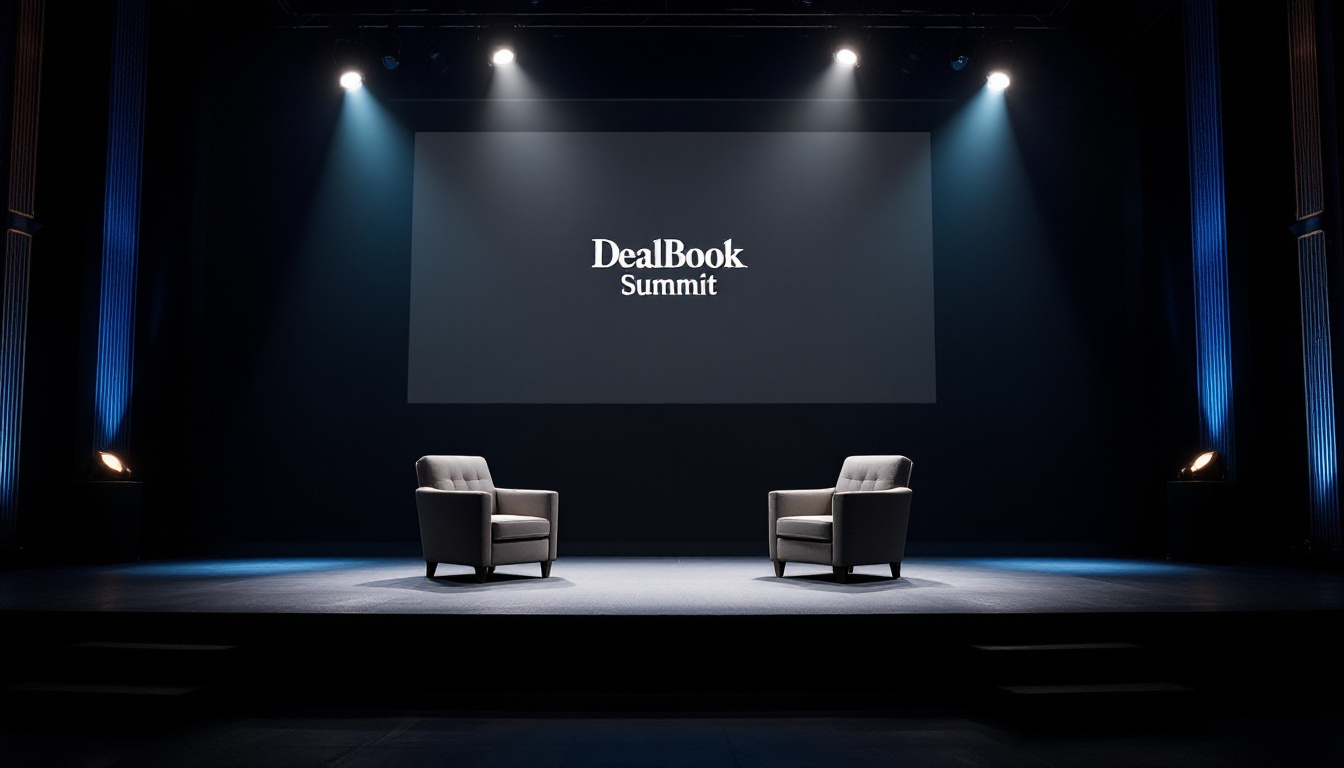
That was Palmer Luckey's answer when Andrew Ross Sorkin tried to corner him on Trump and Ukraine at The New York Times DealBook Summit on November 18 in New York City. Viewers on social media said you could literally see Sorkin sink in his chair.
Luckey, the co-founder of Anduril Industries — one of the most important defense technology companies in the country — sat across from Sorkin at Jazz at Lincoln Center and methodically dismantled every premise the interviewer tried to establish. Sorkin opened with the standard framing: "There have been questions about which side of this he really supports," referring to Trump's stance on Ukraine and Russia.
Luckey didn't take the bait. He didn't get defensive. He didn't hedge.
"I fully support Ukraine and I've probably been way more on the side of Ukraine than most of the Republicans," Luckey said. That alone shattered the setup. Sorkin's question assumed Luckey would either distance himself from Trump or reveal some secret pro-Russia sympathy. Instead, Luckey established his own position and then explained why the conventional narrative about Trump and Ukraine ignores basic history.
"Trump in his first term was publicly calling out specific European nations saying, 'You are too dependent on Russian oil,'" Luckey said. "It's going to put you in a position where you cannot say no to them, and you're going to regret that."
The media mocked him for it at the time. European leaders rolled their eyes. Then Russia invaded Ukraine, and every warning Trump made turned out to be a preview of the exact leverage Putin would use.
Luckey pressed harder. Germany — the loudest European critic of America's approach — has funneled more money to Moscow than to Kyiv. "So they can't even wear a sweater to save Europe," he said. The audience was watching a defense tech billionaire do in real time what most Republican politicians fumble through on Sunday shows: connect the dots between European hypocrisy, energy dependence, and the trap Trump inherited.
Then came the line that went viral. Sorkin's framing assumed that the right way for tech leaders to influence policy is public criticism — throw Trump under the bus, signal to the establishment that you're one of the reasonable ones.
"If people think that the right way to influence Trump is for people like me to throw him under the bus and say, 'yeah, what a f*ing idiot,' they have not been watching how anything works for the last 10 years," Luckey said.
He also corrected Sorkin on a point that shouldn't need correcting but apparently does in a room full of New York Times subscribers. "We are a republic, not a democracy," Luckey said. "And there is a bit of a difference."
Luckey delivered something sharper than a gotcha. "Nobody in the West actually wants Ukraine to win," he said. "They just want them to not lose for as long as possible." That's the kind of sentence that makes a DealBook audience shift in their seats — not because it's wrong, but because it names the strategy nobody in polite company is supposed to say out loud.
The clip is circulating now because it's a template. Luckey didn't hire a crisis PR firm. He didn't issue a carefully worded statement through a spokesperson. He walked into one of the most hostile media environments in the country, sat down across from a New York Times columnist, and answered every question with facts the interviewer wasn't prepared to counter.
Trump warned them about Russian energy dependence. They laughed. Russia invaded. Germany kept buying. And the people who dismissed every warning are still asking why Trump won't take their advice on how to handle the situation they created.
Anduril is currently valued at over $14 billion. Luckey builds the weapons systems the Pentagon needs to modernize. Sorkin asks questions at a summit. One of them left that stage with his credibility intact.