

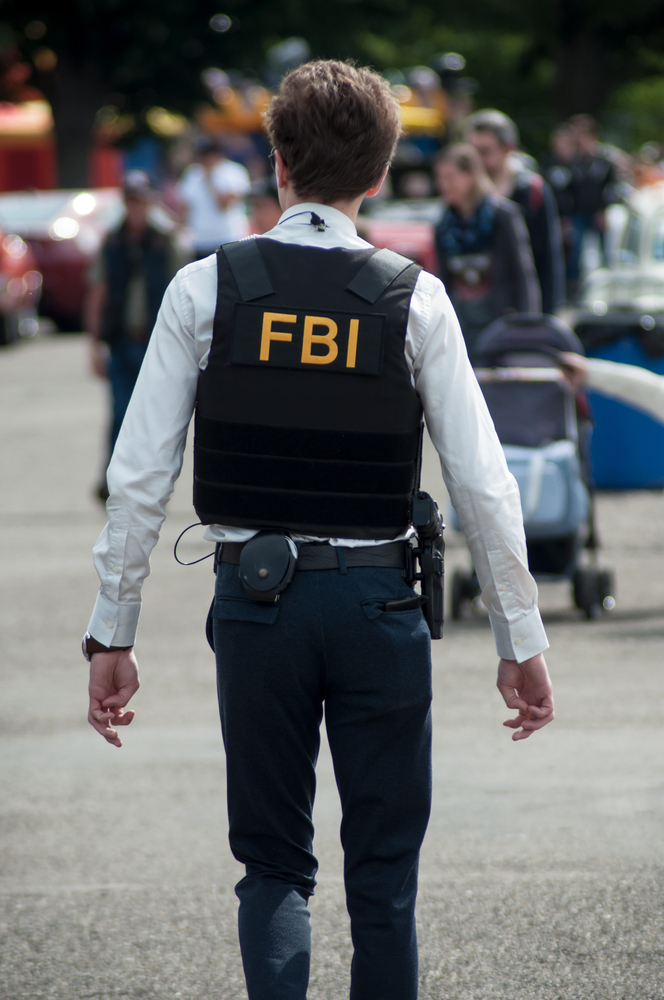
The FBI just seized 127,000 Bitcoin — worth roughly $15 billion at the time of seizure — from criminal networks running forced-labor scam compounds across Southeast Asia. The total haul: $15.2 billion in assets, 9 compounds dismantled, more than 300 arrests, and thousands of trafficked workers freed from what amounted to modern slavery operations.
The operation's name was Blackout. And somebody in that building finally earned the naming rights.
FBI Director Kash Patel announced the results on July 31 after a 16-month joint effort involving the Treasury Department, China's Ministry of Public Security, and Dubai Police. The targets weren't your garden-variety phone scammers. These were industrial-scale fraud factories — compounds in Cambodia and Dubai where trafficked laborers from India, Bangladesh, Sri Lanka, Indonesia, Kenya, and Ethiopia were held under threat of violence and forced to run romance scams, crypto schemes, and investment fraud against American victims.
The FBI's Internet Crime Complaint Center logged more than 1 million complaints in 2025, totaling $20.87 billion in losses — a 26 percent increase from the prior year. Southeast Asian scam operations alone cost Americans $10 billion in 2024, a 66 percent spike over the year before. These aren't petty grifters. This is an industry.
Operation Blackout was actually four separate operations rolled into one announcement: Operation Zephyr Exodus, Operation Sand Dollar, Operation Compound Fracture, and the Shunda Compound Takedown. Sand Dollar alone accounted for roughly $300 million in seized assets. Cambodia's Prince Group — which operated compounds in Sihanoukville — was among the entities taken down. The combined effort reportedly saved approximately 10,000 Americans from losing their life savings.
The International Organization for Migration issued a statement on July 28 noting that between 2022 and 2025, they'd assisted more than 3,500 trafficked victims from 39 nations pulled from these compound networks. IOM Director General Amy Pope acknowledged the scale of the problem: "People trapped in scam compounds are victims of trafficking, forced to commit crimes through violence, threats and coercion. They deserve protection, not punishment." She added, "We must work together to support survivors, stop traffickers and close the gaps these criminal networks exploit. No country can tackle this alone."
Senator John Cornyn, Republican from Texas, introduced the Scam Compound Accountability and Mobilization Act — yes, the SCAM Act. The legislation gave federal agencies expanded authority and resources to target exactly these networks.
The compound model — lure workers with fake job postings, confiscate passports, force them to scam Americans under threat of beatings — had been growing unchecked for years. Losses were doubling annually. The compounds were expanding. The victims on both ends, the trafficked laborers and the Americans being defrauded, kept multiplying.