

Tyler Robinson allegedly left a note under his keyboard for his transgender boyfriend before heading out to kill Charlie Kirk. "Luna, if you are reading this per my text, then I am so sorry," it read. "I left the house this morning on a mission, and sent an auto text. I am likely dead or facing a lengthy prison sentence. I had the opportunity to take out Charlie Kirk, and I took it."
That boyfriend, Lance Twiggs — Robinson called him "Luna" — won't have to face Robinson in court or be subject to his lawyer's cross examination now after the judge's ruling.
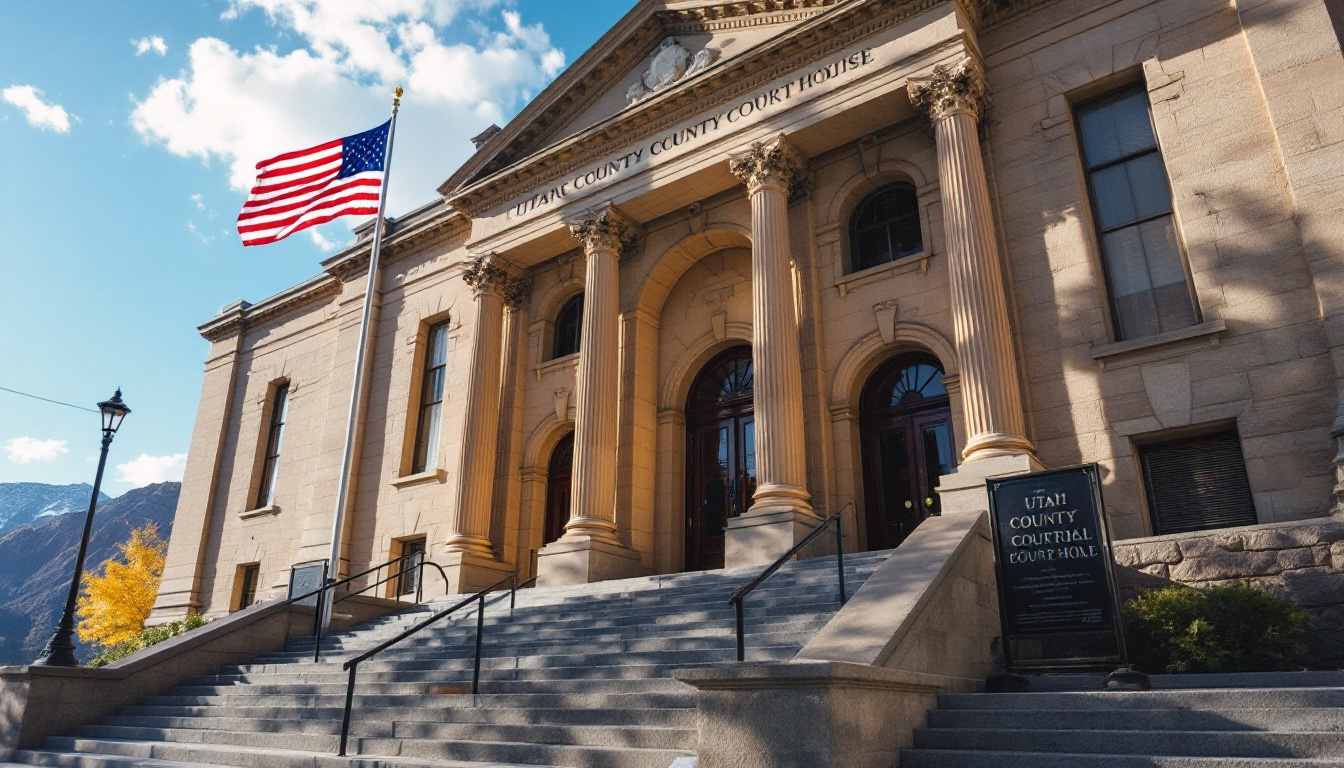
Utah Judge Tony Graf Jr. ruled Monday that prosecutors can use hearsay evidence at Robinson's preliminary hearing and that Twiggs, Robinson's trans-identifying boyfriend who was granted limited immunity back in April, will not be required to testify in person. The ruling is a procedural win for the prosecution in a case that carries a potential death penalty. Robinson is charged with murder in the assassination of Turning Point USA founder Charlie Kirk.
Judge Graf framed the decision carefully. "Although the preliminary hearing is a critical stage of the criminal process, it is not a trial, and does not involve a determination of guilt or innocence," he stated. The defense had pushed to exclude hearsay and force live testimony. The judge said no on both counts.
The prosecution hasn't been shy about wanting this case in the open. Deputy Utah County Attorney Chad Grunander had previously argued against the defense's attempts to seal the proceedings, telling the court back on June 1 that transparency was essential. "Mischief lurks in the dark or in secret. Conspiracy theories abound, and the antidote is the actual, real proceedings," Grunander said. "Let's shine a light on these proceedings, a bright light, so the public can have confidence in what happens in this courtroom."
The judge agreed on that front too, having already rejected a defense request to seal the proceedings on June 1 and a separate request to ban cameras and microphones from the courtroom back in May.
So here's where the case stands. Robinson allegedly sent an auto-text directing Twiggs to "drop what you are doing, look under my keyboard" — where that farewell letter was waiting. A letter that wasn't written by someone who snapped in the moment. It was written by someone who planned the morning, anticipated the outcomes, and said goodbye in advance.
The defense obviously wants to limit what gets aired publicly and challenge how evidence comes in. Standard playbook. But the Utah County Attorney's office has now won three procedural fights in a row — open courtroom, cameras allowed, hearsay admissible at the preliminary stage. That's not a prosecution that's worried about what the public will see.
Twiggs's limited immunity deal from April raises its own questions. What did Twiggs know, and when? The immunity grant suggests cooperation, but the ruling that Twiggs doesn't have to appear in person at the preliminary hearing means we won't see that testimony tested by cross-examination — not yet.
A man wrote a letter to his boyfriend explaining that he was about to commit murder, described it as a "mission," and acknowledged he'd likely die or go to prison. The prosecution wants every word of it heard in open court. The defense wants the curtains drawn.
The curtains are staying open.