

Mohsen Paknejad lasted two years as Iran's Oil Minister. On October 4, he handed his resignation to President Masoud Pezeshkian and walked away from the regime's most critical portfolio — the one that keeps the lights on, the missiles funded, and the Revolutionary Guard fed.
Iranian officials said it was for "personal reasons." Sure it was.
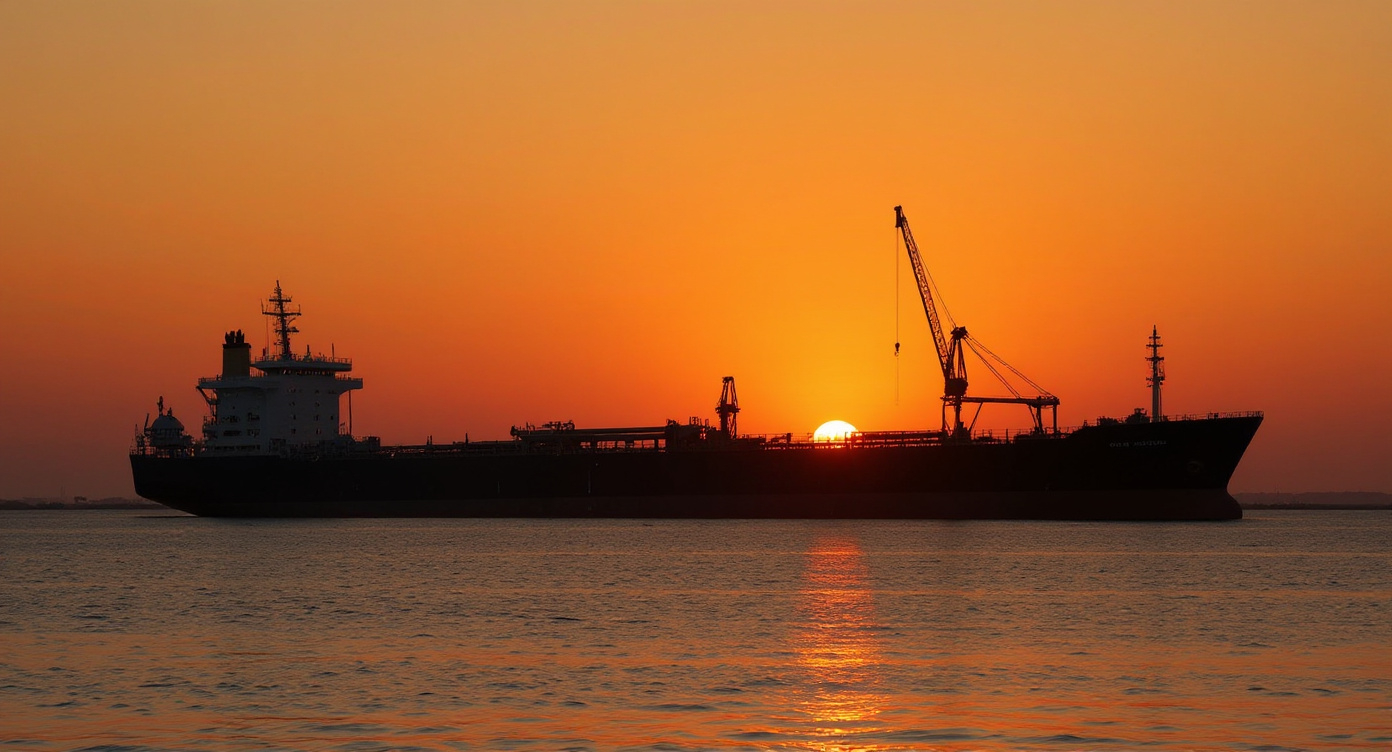
The personal reason is called Operation Economic Outcast — the Trump administration's sanctions campaign that has, according to Treasury Secretary Scott Bessent, achieved something unprecedented. Bessent announced that "for the first time in history" Iran will have "NO OIL ON THE WATER this week." Zero tankers. Zero barrels moving through the Strait of Hormuz. Which means zero money coming in to fund their terrorism projects around the world.
Paknejad took the job in August 2024 when Iranian crude was still finding buyers through the regime's usual network of shadow fleets and sanctions-dodging intermediaries. That network has been systematically dismantled. On October 1, the Treasury Department dropped a new round of sanctions targeting Iran's rail, automotive, manufacturing, and steel networks — not just oil infrastructure, but the industrial backbone the regime needs to function.
Eleven tankers struck near the Strait of Hormuz in a single week. That's not a diplomatic inconvenience. That's a chokepoint turning into a graveyard for Iranian exports.
Pezeshkian replaced Paknejad with Hamid Bovard, the head of the National Iranian Oil Company. Bovard previously managed production and offshore operations — which is a bit like being promoted to captain of a ship that's currently taking on water. His job is to sell oil that nobody can move through waters nobody wants to cross.
The regime's defenders will point out that sanctions have been tried before and Iran survived. They did survive — because the previous administration spent four years quietly easing enforcement, unfreezing billions in assets, and pretending that diplomatic engagement would moderate the mullahs. That experiment ended with Iran's proxies launching the worst attack on Israel in fifty years. Maximum pressure isn't a recycled idea. It's the corrective.
What makes this moment different from prior sanctions rounds is the scope. This isn't one lever being pulled. It's oil sanctions, industrial sanctions, financial isolation, and physical disruption of shipping lanes happening simultaneously. There's no relief valve. The regime can't pivot to selling steel when the steel network is sanctioned too. They can't reroute tankers when tankers are getting hit.