

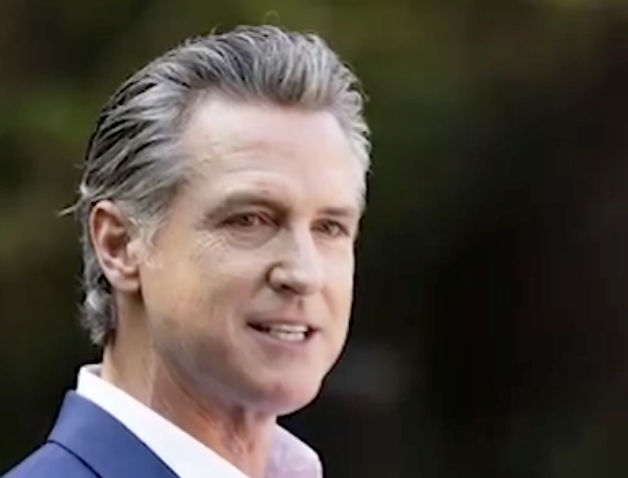
California Assembly Bill 2164 would have made it illegal for any governor to honor an extradition request for someone who traveled to California for an abortion or a gender-affirming medical procedure. Attorney General Rob Bonta sponsored it. The legislature passed it. And on September 24th, Governor Gavin Newsom — the man who turned California into a progressive theme park — killed it with a veto.
Even Newsom thought this one went too far.
The bill aimed to codify an extradition ban for what Sacramento calls "legally protected health care activity." In plain English, if another state charged someone with a crime related to an abortion or transgender procedure and asked California to hand them over, California's answer would have been written into law: no. Not a governor's discretion call. Not a case-by-case judgment. A blanket legislative prohibition.
Newsom's veto message laid out his objection in surprisingly clear terms. Extradition, he wrote, is "exclusively executive function." Signing AB 2164 would allow "the Legislature to erode the executive authority of an incoming Governor." Translation: he wasn't going to let the legislature handcuff whoever sits in his chair next — even if that person shares his politics.
The reaction was immediate and predictable. Planned Parenthood, Reproductive Freedom for All, and the Abortion Coalition for Telemedicine — organizations that have treated Newsom as a reliable rubber stamp for years — issued a rare public rebuke of the governor. On the other side of the aisle, Women Are Real, an advocacy group, called it "a rare win in California."
Two more bills in the same progressive pipeline are still pending. AB 1954 would prohibit compliance with out-of-state legal demands for protected health information. AB 1930 would require businesses to notify the attorney general of any subpoenas related to protected healthcare. The sanctuary infrastructure Sacramento is building didn't collapse with the veto. It just lost one floor.
What makes this worth watching is who said no and why. Newsom didn't veto AB 2164 because he suddenly discovered constitutional restraint or started reading the Federalist Papers. He vetoed it because the bill would have stripped power from the executive branch — his branch. The man who issued unilateral COVID lockdowns, bypassed the legislature on homelessness spending, and governed by emergency decree for the better part of three years does not want anyone limiting executive authority. Especially not the legislature he's spent his career treating as a formality.
Pediatric gender clinic whistleblower Jamie Reed, who has testified that "every single systematic review of the evidence" shows the "evidence base is insufficient" for youth gender interventions, might see the veto as a crack in the wall. The LGB Courage Coalition, California Family Council, Democrats for an Informed Approach to Gender, and Our Duty — groups that have been fighting these policies from inside and outside the party — might too.
But the crack isn't ideological. It's territorial.
Newsom protected the governor's desk. The shield regime he's already built through executive orders remains fully intact. No out-of-state prosecution has succeeded against a California provider under his watch, and none was likely to. AB 2164 didn't add protection. It moved the authority for that protection from one branch to another.
Congratulations, Sacramento. You wrote a bill so aggressively progressive that the most progressive governor in America vetoed it — not because he disagreed with the goal, but because you tried to take the pen out of his hand.