

The youngest victim investigators identified was 14 years old.
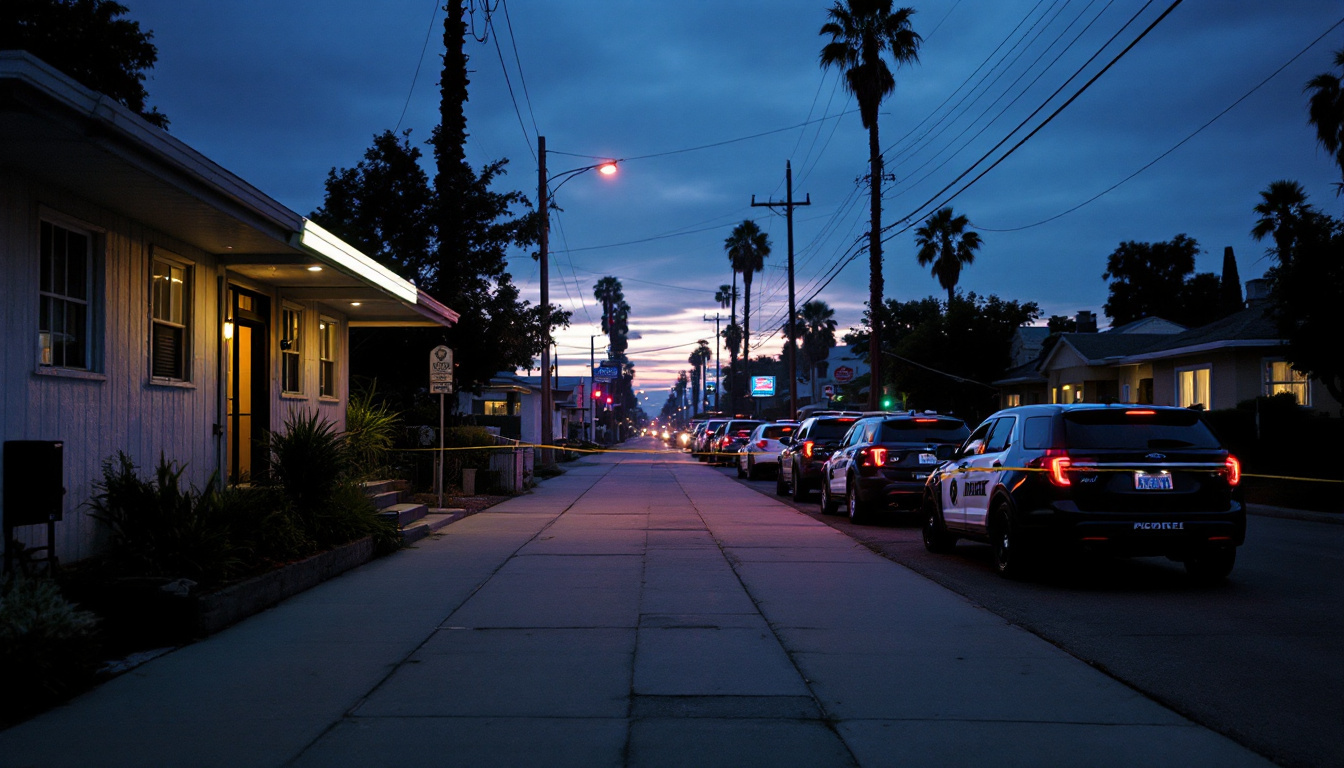
She was one of 51 people trafficked along a 3.5-mile stretch of Figueroa Street in South Los Angeles — a corridor so entrenched, so openly criminal, so thoroughly abandoned by California's approach to law enforcement that it had stopped being a problem and started being infrastructure. Girls were moved through it like a supply chain. The Hoover Criminal Gang ran the operation. Motels like the Stadium Inn & Spas served as the processing points. And the state of California treated all of it as a social services challenge.
Last Thursday, the federal government had a different view.
On July 6th, Operation Broken Blade landed on the Figueroa Corridor with a 65-count federal RICO indictment, 18 defendants, and enough arrest warrants to take the machine apart piece by piece. RICO — the same legal sledgehammer the feds used to dismantle the Gambino crime family — just came down on a street gang selling children in the heart of Los Angeles. When the warrants were executed, five additional victims were rescued. Five people who were there when federal agents arrived and weren't there when they left — because they left with the agents, not the traffickers.
U.S. Attorney Bill Essayli announced that Homeland Security Investigations, IRS Criminal Investigation, and the LAPD executed 14 federal and state arrest warrants as part of the operation. Ten gang members and associates are now facing federal racketeering charges in the Central District of California. Assistant U.S. Attorneys Chelsea Norell and Mirelle Raza are prosecuting the case. A trial date has been set for March 2027.
The DHS task force approach — combining HSI's investigative muscle with IRS Criminal Investigation's ability to follow the money and LAPD's street-level intelligence — is exactly the kind of multi-agency coordination that treats trafficking networks like what they are: organized crime. Which is the part California's state government has never quite been able to figure out.
Sacramento has spent years treating the Figueroa Corridor as a social services problem, a housing problem, a poverty problem — anything but a law enforcement problem. In 2022, California passed SB 357, which effectively decriminalized loitering for prostitution statewide. The stated goal was to protect sex workers from harassment. The actual result was to make it harder for law enforcement to intervene in trafficking situations — and to send a message to every gang in the state about how seriously Sacramento planned to take this. The Figueroa Corridor didn't become a 3.5-mile trafficking pipeline overnight. It took years of deliberate policy choices by a political class that treats aggressive prosecution as something to apologize for.
Critics of this operation will point out that local agencies participated — that the LAPD was part of the task force. True. But the indictment came from a federal grand jury. The charges are federal RICO counts. The prosecutors are Assistant U.S. Attorneys, not LA County district attorneys. The framework, the legal theory, the willingness to treat a street gang's trafficking operation like the Cosa Nostra — that came from Washington. Because it had to.
The RICO statute was written in 1970 to take down the Mafia's grip on American commerce. It works by connecting individual criminal acts into a pattern of racketeering activity, turning what might otherwise be a series of isolated arrests into a single, devastating case against an entire criminal enterprise. When you charge a gang with RICO, you're not picking off foot soldiers. You're indicting the machine. The machine that recruited the victims, ran the corridor, collected the money, and protected the operation from accountability — that machine is now named in a 65-count federal indictment.
That's what makes Operation Broken Blade different from the revolving-door arrests that have defined LA's approach to the corridor for years. Individual arrests process through an overburdened county system where charges get reduced, cases get delayed, and the people doing the trafficking walk back out to the same stretch of Figueroa. A 65-count RICO indictment processes through federal court, where conviction rates run north of 90 percent and sentencing guidelines have actual teeth.
Fifty-one victims identified. Five rescued when the warrants came. Fourteen years old, the youngest. A trial date on the calendar for March 2027.
Operation Broken Blade wasn't a press conference. It was a prosecution. The federal government just did in one operation what California's criminal justice reform movement has spent a decade making harder to do — the kind of prosecution with warrants, indictments, and a court date that nobody is going to plead down to community service.
Those five people who walked out with the federal agents last Thursday didn't get a pamphlet. They got rescued.