

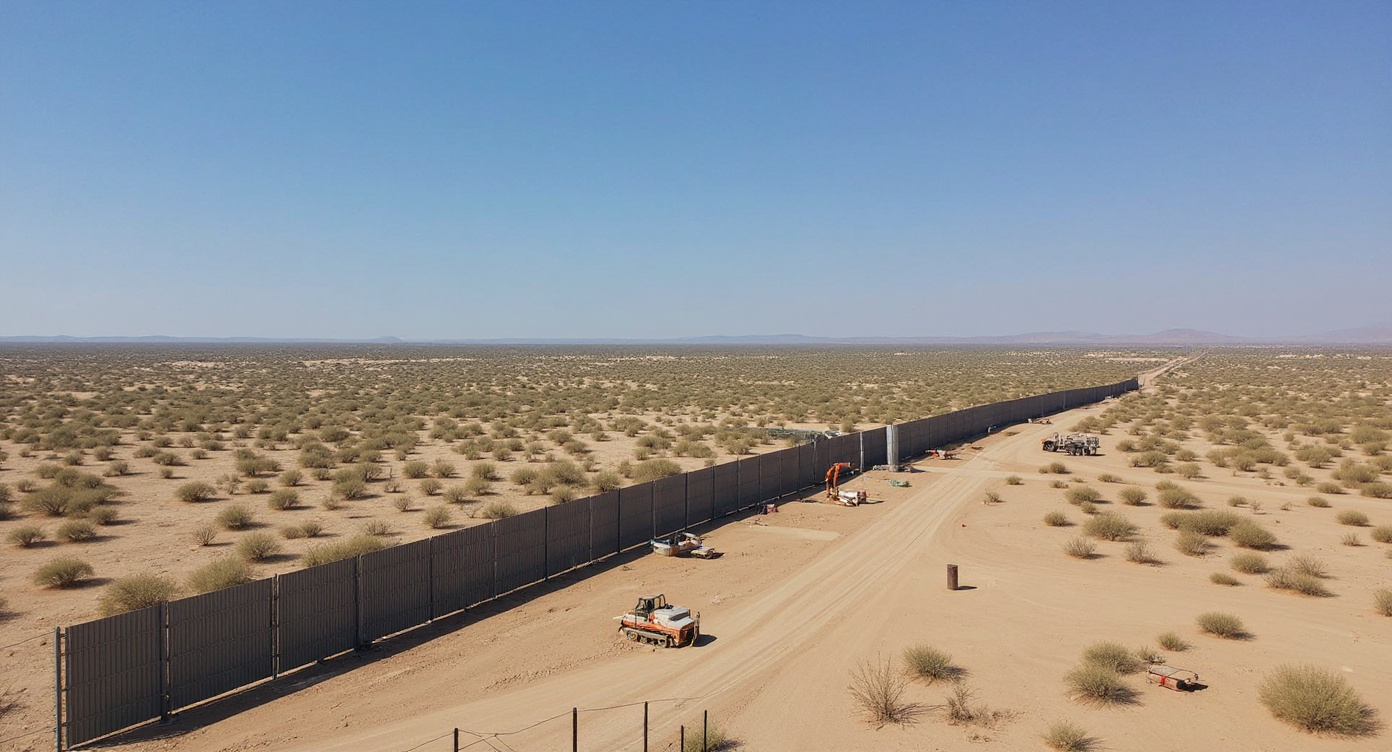
U.S. District Judge Richard Leon in Washington, D.C. just denied a request to block construction of 62 miles of new border wall along the southern boundary of the Tohono O'odham Nation reservation in Arizona.
The tribe wanted a preliminary injunction. The judge said no.
The Tohono O'odham Nation argued that only Congress can change reservation boundaries and that building wall on or near their land constituted unlawful trespass without tribal consent. Their complaint cited 25 U.S.C. § 398d. Judge Leon looked at all of it and determined the tribe "did not show that construction would change reservation boundaries or amount to trespass."
The legal backbone of the ruling rests on something called the Roosevelt Reservation — a 60-foot strip of public land set aside along the U.S.-Mexico border over a century ago. That strip belongs to the federal government. Building a wall on federal land isn't trespass. It's construction.
The Department of Homeland Security, which is overseeing the project, said it "values its relationship with the Nation" and "respects tribal sovereignty." Standard diplomatic language. But the wall is going up regardless.
The tribe's core lawsuit claims about boundaries, cultural sites, and water rights are still alive in the main lawsuit — this wasn't a final ruling. But the construction doesn't stop while those arguments play out. That's what a denied injunction means.
Sixty-two miles is significant. The Tohono O'odham reservation shares a long stretch of border with Mexico, and for years it's been one of the most active corridors for illegal crossings and drug smuggling precisely because the terrain was unfortified. Cartels don't pick routes based on cultural sensitivity. They pick routes based on where there's no wall.
The broader pattern is hard to miss. For six years under the previous two administrations, every border enforcement measure got tangled in court. Judges in California and New York issued nationwide injunctions before the ink was dry on executive orders. The legal obstruction machine was reliable.
Now a federal judge in D.C. has looked at the Trump administration's border wall plan and essentially said: the law supports this, the land is federal, and you haven't shown sufficient harm to stop it. As reported by United Voice, the ruling is a significant legal victory for the administration's immigration crackdown.
The main lawsuit continues. There will be more briefings, more evidence phases, more motions. The legal fight isn't over.
But the bulldozers aren't waiting for it to finish.