

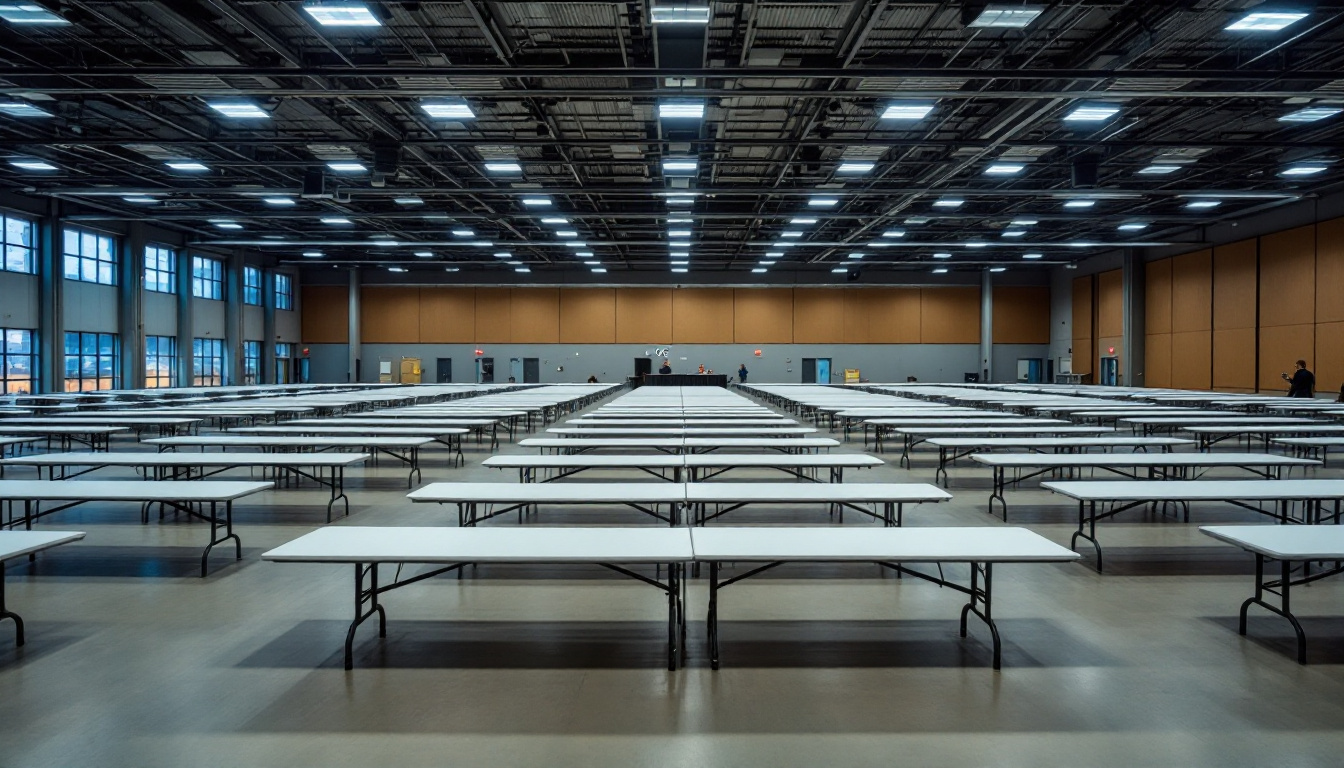
On the day after the 2020 election, inside Detroit's TCF Center, election workers started covering the windows.
Outside, Republican poll challengers who had been kept out of the room where Detroit's absentee ballots were counted were pressed against the glass, trying to see in. Then pieces of cardboard went up, one window at a time, until they couldn't see anything.
Millions of Americans watched the video. Plenty of them thought what any reasonable person would: if nothing untoward is being done in there, why cover the windows?
For asking, they got called conspiracy theorists.
Nearly six years later, the officials in charge still haven't settled on one explanation. First, under Michigan Secretary of State Jocelyn Benson, the story was that police covered the windows over concerns they were being broken. Later, the Michigan Department of State said the cardboard went up "to stop people outside from filming election workers and private information."
That's two different reasons for the same cardboard. When the story keeps changing, people notice.
Now the paperwork from that room is finally public.
But first here's a clip of what election officials did back in 2020 to keep Republican poll challengers at bay
A Detroit man named Yehuda Miller filed a public records request for the city's 2020 absentee ballot processing records. Detroit refused. Miller sued in 2023. Rather than defend its secrecy in court, the city council authorized a settlement, and Detroit handed over the records.
There were nearly a million pages.
It took more than 100 volunteers, working with a group called Check My Vote, to go through them. The records included roughly 155,000 absentee ballot envelopes from the TCF Center, plus voter-file data and other election documents.
The volunteers checked the records against what witnesses said they saw inside the building that week. Some of it doesn't match.
In 2020, poll watchers described large batches of what workers called "military ballots" coming in and being processed. Military and overseas voters cast their ballots under a special federal law, the Uniformed and Overseas Citizens Absentee Voting Act. According to the review, Detroit's records show 746 of those ballots at the TCF Center.
Only 132 were military ballots.
That's roughly the size of one Army company, for the whole count, in a city of more than 600,000 people. So what were the "large batches" witnesses saw rolling through the door with the military's name on them?
Nobody in Detroit has said.
In 2021, the Republican-led Michigan Senate Oversight Committee held nearly 30 hours of hearings and heard from 87 witnesses. It said it couldn't prove significant fraud, but it found real weaknesses in how the count was run and called for reforms, including better training and clearer rules for poll challengers. These million pages weren't public then.
The review doesn't prove fraud. It raises the questions Detroit has spent nearly six years dodging, and there's an easy way to answer them. Release the full source files and the complete ballot counts so anyone can check the math. Explain the gap between what witnesses saw and what the records say.
Cardboard is cheap. Trust in elections costs a lot more, and Detroit has been spending it since 2020.
In 2020, the city covered the windows. When people asked for the records, it made them sue.
The windows are uncovered now, and the million pages are out. Detroit still owes people an explanation, preferably one it doesn't have to change.