

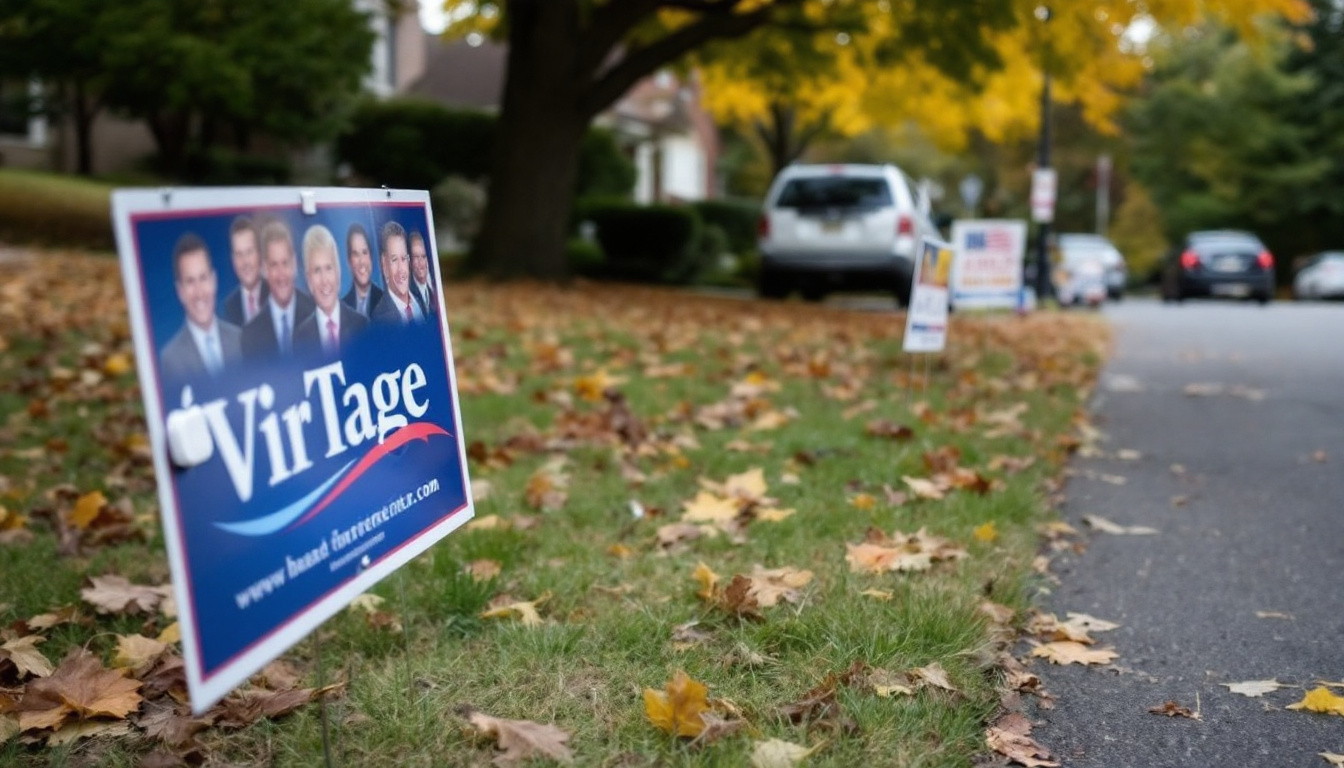
Connecticut State Representative Anne Hughes, a Democrat representing the 135th district, got arrested on misdemeanor larceny charges after police tracked stolen campaign signs to property she owns in Easton, Connecticut. The signs belonged to her Republican opponent, Darrell Harris.
Two days before the election.
Hughes covers the towns of Easton, Weston, and Redding — a sitting lawmaker whose job, theoretically, involves writing and upholding the law. Harris's campaign staff had been losing signs for weeks. They got creative. They started planting AirTags inside the signs, the same $29 Apple trackers people use to find lost luggage. At least one of those AirTags pinged a location that traced directly back to property owned by Hughes.
Harris told reporters on October 31 that finding out his opponent was behind the thefts was "the last thing I would have expected."
Hughes issued an apology statement after the arrest. Her defense? The signs "shouldn't have been on public property." That's the explanation. A state legislator decided the appropriate response to signs she didn't like on public property was to personally remove them — not file a complaint, not call the town, not do any of the things a lawmaker might know how to do. Just grab them and hope nobody noticed.
The AirTag detail is what makes this story. This wasn't a rumor or a neighbor's accusation. It was a digital trail, a GPS ping leading police to an elected official's property with another candidate's signs on it. There's no spin that survives that sequence of events.
Hughes has been in the state legislature representing those three towns while simultaneously removing her opponent's ability to campaign in them. The voters of Easton, Weston, and Redding now get to decide on Tuesday whether they want a representative who competes for their votes or one who eliminates the competition's visibility when nobody's looking.
The apology, naturally, came after the arrest — not after the theft. The remorse arrived at exactly the moment it became legally convenient.
When campaigns feel confident about their message, they don't worry about the other side's yard signs. Signs don't vote. Signs don't knock doors. Signs sit in grass and get rained on. The only reason to steal them is if you believe your opponent's name being visible is a threat you can't answer with your own record.
Misdemeanor larceny. Over cardboard and wire stakes. An elected official, handcuffed, because Apple's cheapest tracking device outsmarted her.